

Colorbond is one of the most popular fencing choices in Melbourne. It’s strong, private, low maintenance and available in a wide range of colours to suit modern and traditional homes. After installing fences across Melbourne since 2005, our team has seen first-hand how well Colorbond holds up – and also the problems that can develop when a fence is exposed to years of wind, rain, sun and shifting ground.
The good news is that most Colorbond fence problems give you plenty of warning. Spotted early, many are quick and inexpensive to fix. Left alone, the same small issue can turn into a leaning section, a damaged panel or a full rebuild. In this guide, the A Class Fencing team explains the most common Colorbond fence problems we see, what causes them, how they’re fixed, and when it’s time to call in a professional.
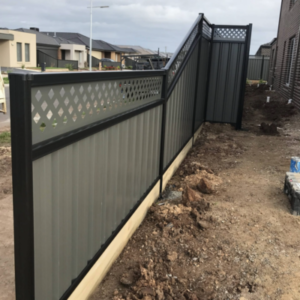
1. Leaning or Unstable Fence Sections
A leaning section is the most common call-out we get for Colorbond fencing. It usually shows up after a big storm or a long wet winter, when one part of the fence starts to tilt or moves when pushed.
What causes it. In most cases the problem is in the ground, not the panels. Posts can shift when the soil softens after heavy rain, when footings were set too shallow, or when there wasn’t enough concrete around the post in the first place. Melbourne’s reactive clay soils, which swell when wet and shrink when dry, make this especially common across the western and northern suburbs. Loose fixings between the sheets and rails can also cause sections to move.
How it’s fixed. The first step is working out whether the post or the panel is moving. If the post is solid but the sheets move, tightening or replacing fixings along the rails usually solves it. If the post itself rocks or leans, it needs to be reset. That means bracing the fence, digging out around the footing, straightening the post and re-concreting it to the correct depth. On long runs or exposed sites, we often recommend deeper footings to stop the problem coming back.
2. Rust and Corrosion
Colorbond steel is built with a protective coating designed for Australian conditions, so rust is not a normal part of its life. When it does appear, there’s almost always a specific cause.
What causes it. The most common triggers are deep scratches that cut through the coating, untreated cut edges, steel filings left on the surface after drilling, and soil or mulch piled against the bottom of the sheets. Water that sits along the base of the fence after rain also speeds up corrosion. Properties close to the coast face extra risk from salt in the air.
How it’s fixed. Small rust spots should be cleaned and treated straight away with a colour-matched touch-up product made for Colorbond finishes. Clearing garden beds and soil away from the base of the sheets removes the main source of ongoing moisture. Where rust has spread or eaten through a sheet, replacing the affected panel is the most reliable long-term fix and keeps the fence looking consistent.
3. Rattling and Noise in Windy Weather
Some homeowners tell us their fence bangs or rattles every time the wind picks up. While it’s rarely a safety issue, it can be frustrating for you and your neighbours.
What causes it. Noise comes from sheets moving slightly inside the rails or against the posts. Loose screws, worn fixings and sheets that weren’t fitted snugly during installation all allow that movement.
How it’s fixed. The fix is usually simple: tighten the existing fixings and add extra ones where the gaps are largest. In some cases the sheets need to be realigned in the rails, or the section reinforced. A properly installed fence with the right number of fixings is far less likely to develop noise in the first place.
4. Scratches and Dents
Everyday life is hard on fences. Whipper snippers, mowers, wheelie bins, kids’ bikes, pets and falling branches can all leave their mark.
What causes it. Light scuffs only affect appearance, but deep scratches that expose bare steel can start to rust if they aren’t treated. Dents are usually caused by impacts from vehicles, equipment or storm debris.
How it’s fixed. Clean the area with mild soapy water, let it dry, then apply a matching Colorbond touch-up paint in thin coats with a fine brush. Avoid wire brushes, steel wool and harsh cleaners, as they strip the protective coating. Badly dented or creased sheets are best replaced rather than straightened, because a hammered sheet rarely looks right and the coating is often damaged in the process.
5. Dirt, Mould and Staining
Fences in shaded, damp spots or near busy roads can build up grime, mould and water stains over time, making even a newer fence look tired.
What causes it. Dust, pollution, leaf litter and moisture all settle on the surface. Sections that sit in shade and rarely dry out are most prone to mould.
How it’s fixed. A gentle wash with a hose and a soft sponge or cloth with mild soapy water is enough for most fences. For stubborn marks, use a mild cleaner suitable for painted steel and rinse well with fresh water. Avoid blasting the fence with a pressure washer up close, as it can damage the finish. Trimming back plants and shrubs improves airflow so the fence dries faster after rain.
6. Sinking or Moving Posts
Posts are the backbone of any Colorbond fence. They carry the weight of the sheets and resist the wind pushing against the whole fence line. When posts move, everything else follows.
What causes it. The usual culprits are soil movement, poor drainage, ground erosion, shallow or undersized footings and constant wind pressure on long, open runs. Fences built on sloping ground or along retaining walls are particularly vulnerable.
How it’s fixed. Minor movement can sometimes be stabilised by compacting and building up the surrounding soil. But posts that have clearly shifted or sunk need to be reset in fresh concrete or replaced. The top of each footing should be shaped to slope away from the post so water runs off instead of pooling. Where a fence sits above a level change, a Colorbond fence with sleeper or a properly built retaining wall can keep soil and water off the fence and protect the posts long term.
7. Colour Fading
Colorbond is known for holding its colour well, but decades of harsh Australian sun can cause gradual fading, especially on north- and west-facing fences.
What causes it. Long-term UV exposure is the main cause. A layer of dirt and grime can also make the colour look duller than it actually is.
How it’s fixed. A thorough clean often brings back much of the original colour. If you’re replacing a single damaged sheet, it may look brighter than the rest at first but will usually blend in over time. Using genuine, quality materials and getting the installation right from day one gives the best long-term colour performance.
8. Drainage Problems Along the Fence Line
Water is behind many of the fence problems we’re called out to fix. When it pools around posts or along the base of the sheets, it softens the soil, weakens footings and increases the risk of corrosion.
What causes it. Downpipes that discharge near the fence, ground that slopes towards the fence line, and garden beds or soil built up against the sheets all trap water where it does the most damage.
How it’s fixed. Redirect downpipes away from the fence, regrade the ground so water flows away, and remove excess soil from the base of the sheets. In problem areas, installing drainage along the fence line is a worthwhile investment that protects both the fence and your landscaping.
Simple Maintenance to Prevent Problems
A few minutes of care each season will prevent most of the issues above and help your fence last for decades.
- Wash the fence down with water and a soft sponge every few months
- Walk the fence line after storms and strong winds to check for movement
- Tighten any loose screws or fixings as soon as you notice them
- Treat scratches early, before rust has a chance to start
- Keep soil, mulch and garden beds clear of the bottom of the sheets
- Trim trees and plants so they don’t rub against the fence
- Check that water drains away from the fence line after heavy rain
When to Call a Professional
Tightening a few screws or touching up a scratch is an easy DIY job. But some problems need experienced installers with the right tools. Call a professional if several posts are moving at once, a section is leaning badly or has been damaged in a storm, panels need replacing across a long run, the fence is part of a retaining wall or pool barrier, or the same problem keeps coming back after repairs.
In many cases, a fence that keeps failing was installed with shallow footings or too few fixings. Rather than repairing the same section over and over, it can be more cost-effective to replace it properly.
Why Choose A Class Fencing Solution?
The A Class Fencing Solution team has been installing fencing and gates across Melbourne since 2005, covering residential, commercial and industrial projects throughout Victoria. We install Colorbond fencing with properly set footings, quality materials and the right fixings, so your fence stays straight, quiet and good-looking for years.
We also install timber fencing, slat fencing, gates and retaining walls. And if you’re tackling a repair yourself, you can pick up Colorbond sheets, posts, concrete and fixings from our supply partner A Class Building Materials.
Get Your Colorbond Fence Back in Shape
Noticed a leaning section, rust or a fence that won’t stop rattling? Talk to our team about the best fix for your fence. Call 0406 200 002 or 03 8375 1800, email info@aclassfencingsolution.com.au, or contact us online for a quote. You can also visit us at 27 Palm Springs Road, Ravenhall.
Related reading: Colorbond vs Timber vs Slat Fencing: Which Is Best for You? and Choosing a Fence Colour That Suits Your House


Leave A Comment