

If you’re weighing up a new fence, one question matters more than almost any other: how long will it actually last?
A fence is a real investment, and nobody wants to be replacing it again in a few years. The good news is that Colorbond is one of the longest-lasting fencing options you can choose in Australia. However, like any outdoor product, its lifespan can vary depending on several factors, particularly the quality of installation, environmental conditions, and ongoing maintenance.
At A Class Fencing Solution, we install Colorbond fences across Melbourne every week, so here is a straight answer, along with what really determines whether your fence reaches the top end of its lifespan or falls short of it.
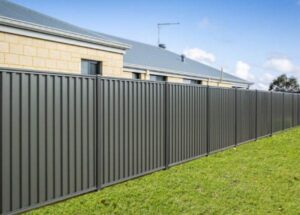
The Short Answer
A well-installed and well-maintained Colorbond fence typically lasts around 20 to 30 years, and many continue performing well beyond that timeframe.
Compared with a timber paling fence, which often requires replacement after 15 to 20 years and needs regular staining or oiling along the way, Colorbond offers exceptional durability with relatively little upkeep.
However, that 20 to 30 year lifespan isn’t fixed. The actual lifespan of your fence can vary considerably depending on installation quality, environmental exposure, and most importantly, how well the fence is maintained over time. A neglected fence in harsh conditions may fall short of the expected lifespan, while a properly maintained fence can continue looking and performing well for decades.
What Affects How Long a Colorbond Fence Lasts?
Installation Quality
This is one of the biggest factors people underestimate. A Colorbond fence is only as good as the posts holding it up. If the posts aren’t installed deep enough or concreted correctly, the fence can lean, warp, or loosen long before the steel itself wears out.
Panels that aren’t aligned correctly can flex excessively in strong winds and place unnecessary stress on fixings and rails. A professionally installed fence simply lasts longer, which is why cutting corners on installation is often false economy.
Your Environment
Colorbond steel is built for Australian conditions, but location still matters.
Homes near the coast are exposed to salt in the air, which can accelerate corrosion over time. If you’re in a bayside Melbourne suburb, it’s worth considering coastal-grade Colorbond products designed specifically for these conditions.
Strong UV exposure, heavy rain, and constant weather fluctuations can also gradually age the finish, although modern Colorbond performs exceptionally well in Australian climates.
Water and Ground Contact
Steel and standing water are not friends.
If water regularly pools along the base of the fence, or garden beds and soil are banked against the panels, moisture can remain trapped against the steel and eventually lead to corrosion near the bottom of the fence.
Good drainage and keeping the base of the fence clear can significantly extend its lifespan.
Maintenance
This is often the deciding factor in how long a Colorbond fence lasts.
While Colorbond is famous for being low maintenance, low maintenance does not mean maintenance free. The lifespan of a Colorbond fence can vary greatly depending on how well it is looked after over the years.
A fence that is occasionally cleaned, kept free from moisture build-up, and repaired promptly when minor damage occurs can comfortably exceed its expected lifespan. On the other hand, fences that are neglected, exposed to salt build-up, or left with scratches and chipped coatings untreated may deteriorate much sooner.
Simply put, better maintenance generally means a longer-lasting fence.
What About the Warranty?
This often causes confusion, so it’s worth clarifying.
Colorbond steel comes with a manufacturer’s warranty which typically ranges from 10 to 25 years, depending on the product and application. This covers issues such as corrosion, paint peeling, and blistering under normal conditions.
However, there are two important things to remember:
- The warranty covers the steel product itself, not the installation workmanship.
- A warranty represents a minimum level of protection, not the expected lifespan of the fence.
Many Colorbond fences continue performing well long after the warranty period has expired, particularly when they have been properly maintained.
How to Make Your Colorbond Fence Last Longer
Fortunately, keeping a Colorbond fence in excellent condition is simple.
Rinse the fence a few times each year to remove dirt, cobwebs, mould, and airborne contaminants. If you live near the coast, more frequent washing is recommended to remove salt deposits.
A garden hose is usually sufficient, while warm water, mild detergent, and a soft brush can be used for stubborn grime. Avoid abrasive cleaners and high-pressure washing too close to the surface, as these can damage the protective coating.
If a panel becomes scratched or chipped and exposes bare metal, repair it promptly with a suitable touch-up paint to prevent rust from developing.
It’s also important to wash off fertilisers, weed killers, and garden chemicals that come into contact with the fence, as these can react with the finish over time.
Finally, keep mulch, soil, and garden beds away from the base of the fence and ensure water drains away freely rather than pooling against the steel.
The Bottom Line
A Colorbond fence is one of the best long-term fencing investments available in Australia.
Most homeowners can expect 20 to 30 years or more from their fence, but the final lifespan will vary depending on installation quality, local environmental conditions, and especially the level of maintenance provided throughout its life.
Of all these factors, regular maintenance and quality installation have the greatest impact on whether your fence reaches or exceeds its expected lifespan.
If you’re planning a new Colorbond fence, or you’re unsure whether your existing fence needs repairs or replacement, the team at A Class Fencing Solution can help. We install quality Colorbond fencing across Melbourne and Victoria, built to go the distance.


Leave A Comment